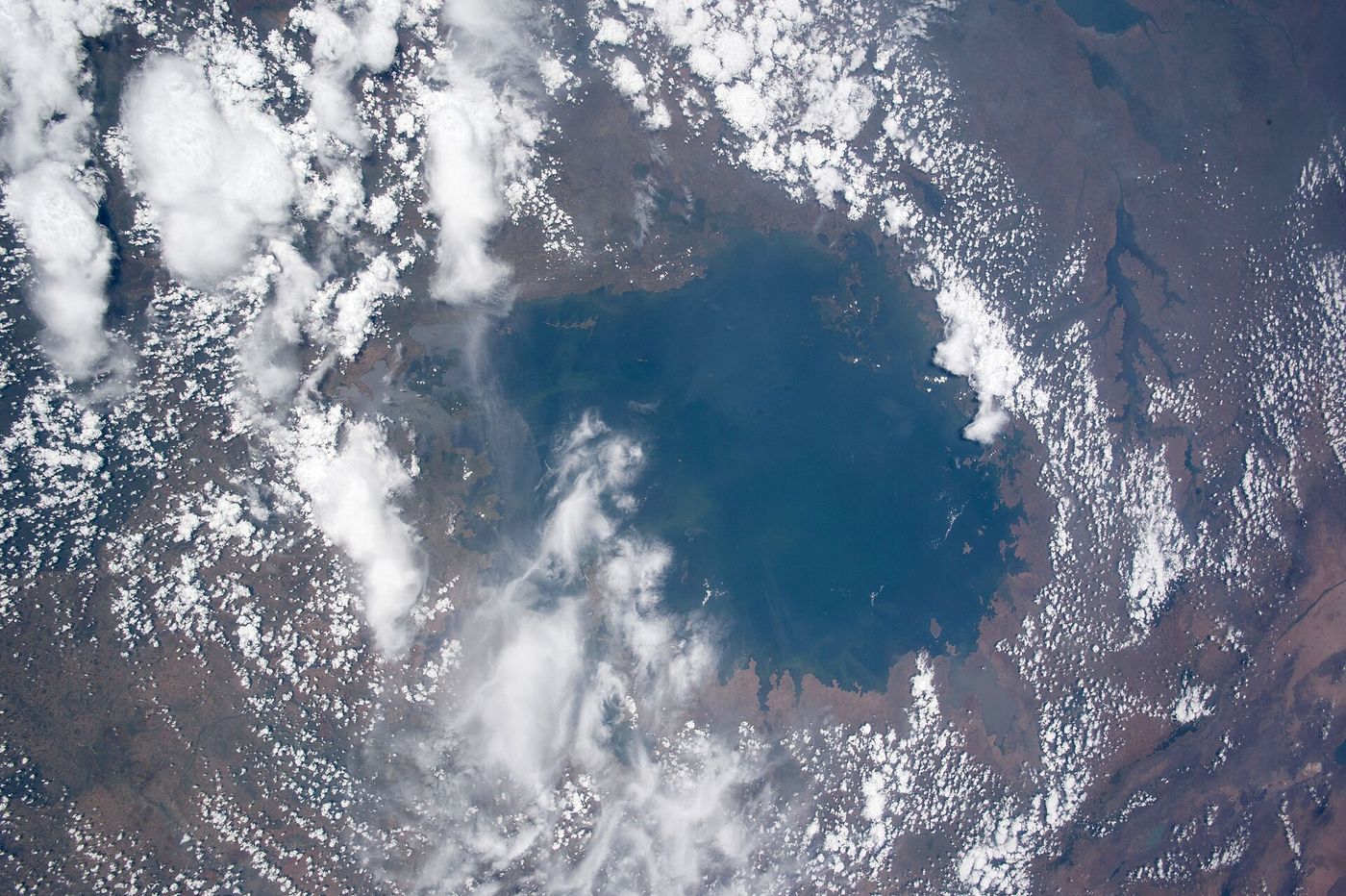
Kashasha, 1962: The Laughter That Closed Schools
In January 1962 girls at a mission boarding school in what is now Tanzania began laughing uncontrollably. The outbreak spread to villages and closed 14 schools. Doctors who studied it described mass psychogenic illness under stress.
Sources A. M. Rankin & P. J. Philip, 'An epidemic of laughing in the Bukoba district of Tanganyika', Central African Journal of Medicine 9 (1963) 167–170 (PubMed 13973013); Wikipedia, 'Tanganyika laughter epidemic'
On 30 January 1962, at a girls’ mission boarding school in Kashasha near Lake Victoria, three pupils began laughing and could not stop. Within weeks most of the school was affected, with bouts of laughing and crying lasting from minutes to hours, and the school sent students home in March.
Spreading
The girls carried it to their villages. Over the following months the outbreak appeared in nearby communities and other schools around Bukoba, and 14 schools closed. Physicians A. M. Rankin and P. J. Philip described it in the Central African Journal of Medicine in 1963: no fever, no toxic cause, no deaths, and a pattern that followed social contacts.
The explanation
The episode is now a textbook example of mass psychogenic illness, in which real symptoms spread through a group under stress. Tanganyika had become independent only weeks earlier, and researchers have pointed to the strain of strict boarding schools and social change. The laughing was not joy; many sufferers were distressed.
Ledger status
Marked cited. Map position is region level (Bukoba area).
Sources
- Rankin, A. M. & Philip, P. J. (1963), Central African Journal of Medicine 9 — PubMed 13973013
- Wikipedia, “Tanganyika laughter epidemic” — en.wikipedia.org
Part of the World Ledger, batch 1. Original text; no images are used.
Evidence ledger
Each claim in this file, the source it rests on, and how well it holds up: 2 corroborated · 2 disputed. What the labels mean.
| Claim | Source | Type · date | Status |
|---|---|---|---|
| An outbreak of laughing, crying and restlessness began at a girls' school in Kashasha on 30 Jan 1962. | Rankin & Philip (1963) | scholarly · 1963 | corroborated |
| The outbreak spread to nearby villages and schools, affecting about 1,000 people.Estimates vary. | Rankin & Philip; Wikipedia | scholarly · 1963 | disputed |
| Fourteen schools were closed. | Wikipedia, citing contemporary reports | secondary | corroborated |
| The cause was mass psychogenic illness amid the stress of independence and strict schooling.No toxin or infection was found. | Later analyses (e.g. Christian Hempelmann) | scholarly · 2007 | disputed |
Discussion
Discussions activating. Per-case threads will embed here once the Giscus GitHub App is installed on the public satellite repo.
Meanwhile, join the conversation on GitHub Discussions: https://github.com/dclewis21/anomaly-ledger-community/discussions
CoS / D.C.: see Community guidelines and
SETUP.mdin the site repo for the one-click Giscus install.