Sasquatch: How a British Columbia Word Became Bigfoot
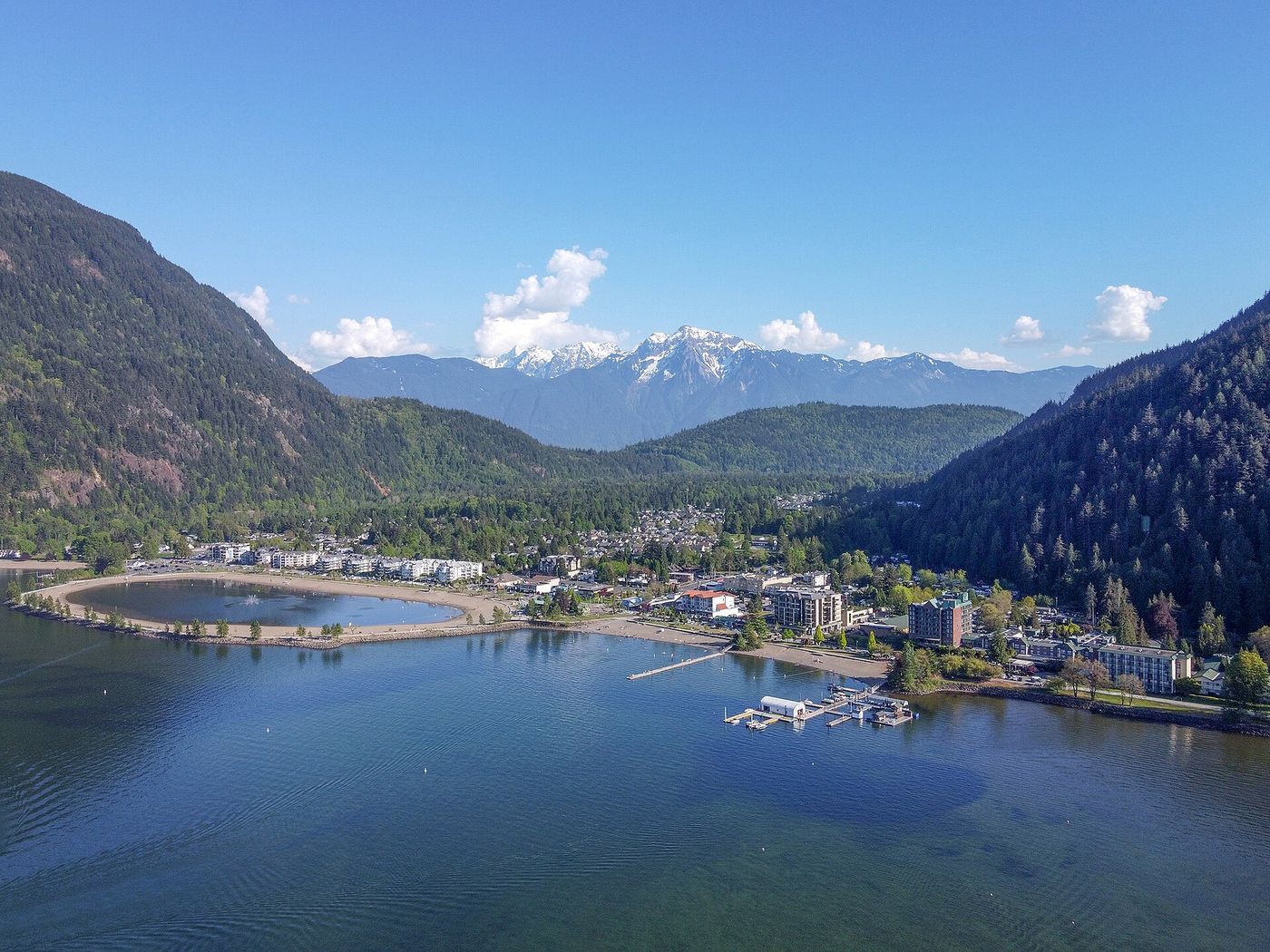
'Sasquatch' comes from a Halq'eméylem word for a hairy wild being, popularized by a schoolteacher in Harrison Hot Springs in the 1920s. The village now calls itself Sasquatch country. Scientists find no evidence of an unknown ape; the creature lives on as folklore and a tourism icon.
Sources Arizona State Museum, 'Tracking the Legend of Bigfoot'; Tourism Harrison, Sasquatch Museum; Wikipedia, 'Bigfoot'
In 1929 Maclean’s magazine published an article by J. W. Burns, a teacher on the Chehalis reserve near Harrison Hot Springs in British Columbia’s Fraser Valley. He wrote about “Sasquatch,” hairy giants of Stó:lō stories, adapting a word from the Halq’eméylem language. When American newspapers coined “Bigfoot” after the 1958 California footprint story, Sasquatch became the Canadian name for the same idea.
Two layers
Coast Salish and other First Nations have traditions of wild, hairy beings with cultural and moral meaning. Folklorists separate these from the modern cryptid, which owes much to 20th-century newspapers, films and hoaxes. The Ledger does not treat Indigenous traditions as sighting reports.
Today
Harrison Hot Springs holds Sasquatch Days, runs a Sasquatch Museum at its visitor centre, and promotes the Sasquatch Provincial Park nearby. The Arizona State Museum’s exhibit on the legend notes that no specimen, bone or verified DNA has ever been found.
Ledger status
Marked folklore. Map position is the village, not any Indigenous site.
Sources
- Arizona State Museum, “Tracking the Legend of Bigfoot” — statemuseum.arizona.edu
- Tourism Harrison, Sasquatch Museum — tourismharrison.com
- Wikipedia, “Bigfoot” — en.wikipedia.org
Part of the World Ledger, batch 1. Original text; no images are used.
Evidence ledger
Each claim in this file, the source it rests on, and how well it holds up: 3 corroborated · 1 unverified. What the labels mean.
| Claim | Source | Type · date | Status |
|---|---|---|---|
| The word 'Sasquatch' was adapted from a Halq'eméylem (Stó:lō) term. | Wikipedia; Arizona State Museum | museum / archive | corroborated |
| Teacher J. W. Burns popularized the term in 1920s–30s articles from the Harrison area. | Wikipedia | secondary · 1929 | corroborated |
| Harrison Hot Springs promotes itself as Sasquatch country with a museum. | Tourism Harrison | listing | corroborated |
| An unknown North American ape exists.Footprints, photos and hair samples have not yielded verified evidence. | Cryptozoological claims | secondary | unverified |
Discussion
Discussions activating. Per-case threads will embed here once the Giscus GitHub App is installed on the public satellite repo.
Meanwhile, join the conversation on GitHub Discussions: https://github.com/dclewis21/anomaly-ledger-community/discussions
CoS / D.C.: see Community guidelines and
SETUP.mdin the site repo for the one-click Giscus install.