Method guide; no single event.
Is It a Satellite? A Five-Minute Check Before You Report a Light
Last reviewed Next review
We review and update every article weekly. When the record changes, so does the article. How we review
Most steady moving lights are satellites or the ISS. Here is how we check, using free public tools.
Verdict: A steady light moving across the sky in the hours after dusk or before dawn is very often a satellite, and free prediction tools can usually confirm it in minutes.
Original sources: Heavens-Above FAQ · NASA JPL CNEOS, Fireball and Bolide Data
Sources Heavens-Above FAQ; NASA JPL CNEOS, Fireballs data introduction
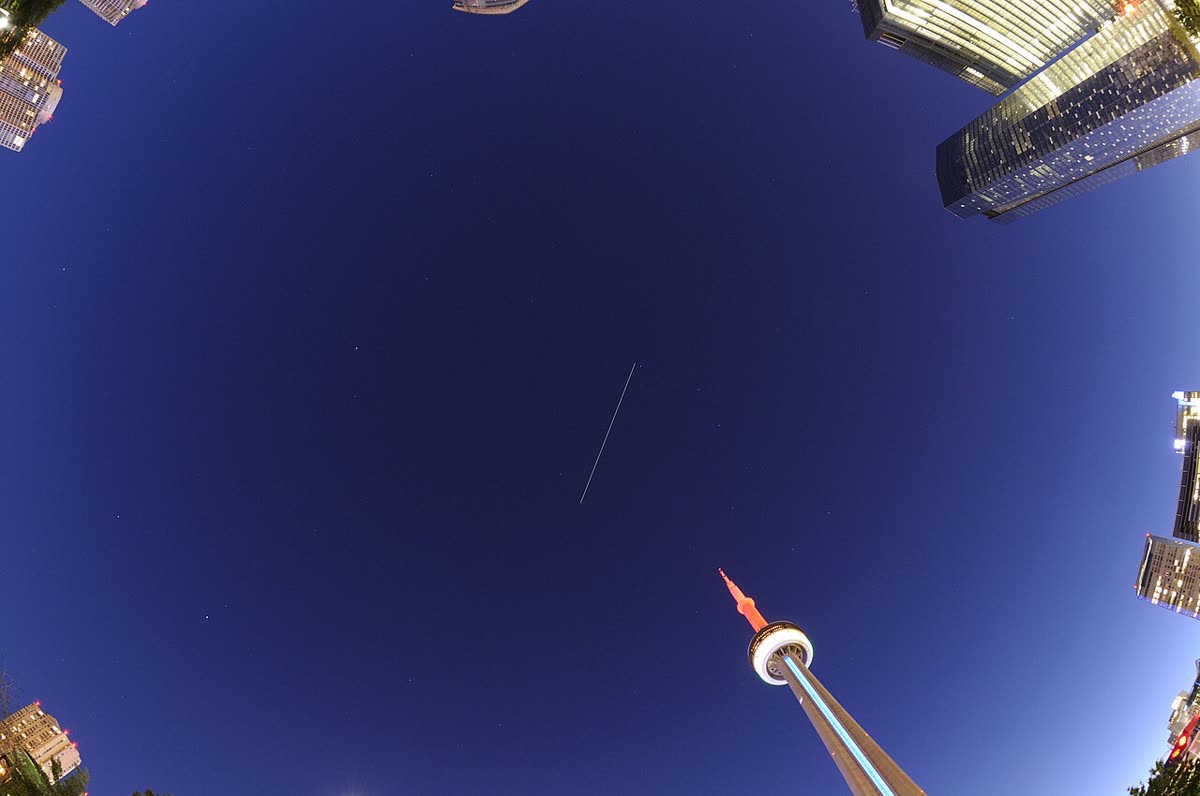
A lot of the sightings people send us start the same way: a steady point of light, moving smoothly across the sky, no sound. Most of the time it is a satellite. Here is how we check, and you can do the same before you file a report.
1. Check the time
Satellites shine by reflecting sunlight. The Heavens-Above FAQ explains that you usually see them only for a few hours after sunset or before sunrise, when the satellite is still in sunlight high up but your sky is already dark. A steady moving light at 9 p.m. is a strong satellite candidate. One at 2 a.m. in midwinter is less likely, though not impossible.
2. Look up passes for your place and time
Heavens-Above gives free pass predictions for your location, in local time, including the International Space Station. It can also show predictions for a past date, so you can check a sighting from last night or last week. Match the time, the direction it came from and where it disappeared.
3. Flashing or blinking?
A satellite that flares or pulses may be tumbling. Heavens-Above notes that spent rocket bodies often do this. Aircraft show colored and blinking lights and usually make noise. A satellite fading out partway across the sky has usually just entered Earth’s shadow.
4. Was it fast and fiery instead?
A brilliant streak lasting a second or two is more likely a meteor. NASA’s Center for Near Earth Object Studies keeps a public list of fireballs of magnitude -3 or brighter seen by US government sensors. Its own page says the list is not complete, so a missing entry does not mean nothing happened.
5. Still stuck?
Note the exact time, your location, direction and how long it lasted. Then send it to us. A good report makes our check possible, and a light we cannot match is worth recording.
Sources
- Heavens-Above, FAQ: heavens-above.com
- NASA JPL Center for Near Earth Object Studies, “Fireball and Bolide Data”: cneos.jpl.nasa.gov
Every image on this page is credited where it appears.
Verdict
Explained A steady light moving across the sky in the hours after dusk or before dawn is very often a satellite, and free prediction tools can usually confirm it in minutes.
Evidence ledger
Each claim in this file, the source it rests on, and how well it holds up: 4 corroborated. What the labels mean.
| Claim | Source | Type · date | Status |
|---|---|---|---|
| Satellites are generally visible only for a few hours after sunset or before sunrise, when they are sunlit but the observer's sky is dark. | Heavens-Above FAQ | secondary | corroborated |
| Heavens-Above can show predictions for past dates, which lets you check an earlier sighting. | Heavens-Above FAQ | secondary | corroborated |
| Tumbling objects such as spent rocket bodies can flash or vary in brightness. | Heavens-Above FAQ | secondary | corroborated |
| NASA CNEOS lists fireballs of magnitude -3 or brighter detected by US government sensors; the list is not complete. | NASA JPL CNEOS | official | corroborated |
Update log
-
We added this case file.
-
Weekly re-check of sources; no change to the record since filing. Next check November 9, 2026.
Discussion
Discuss this case on the on-site Community board — no GitHub account required. Prefer a private tip for the editorial team? Submit a Sighting.
House rules: Community guidelines.