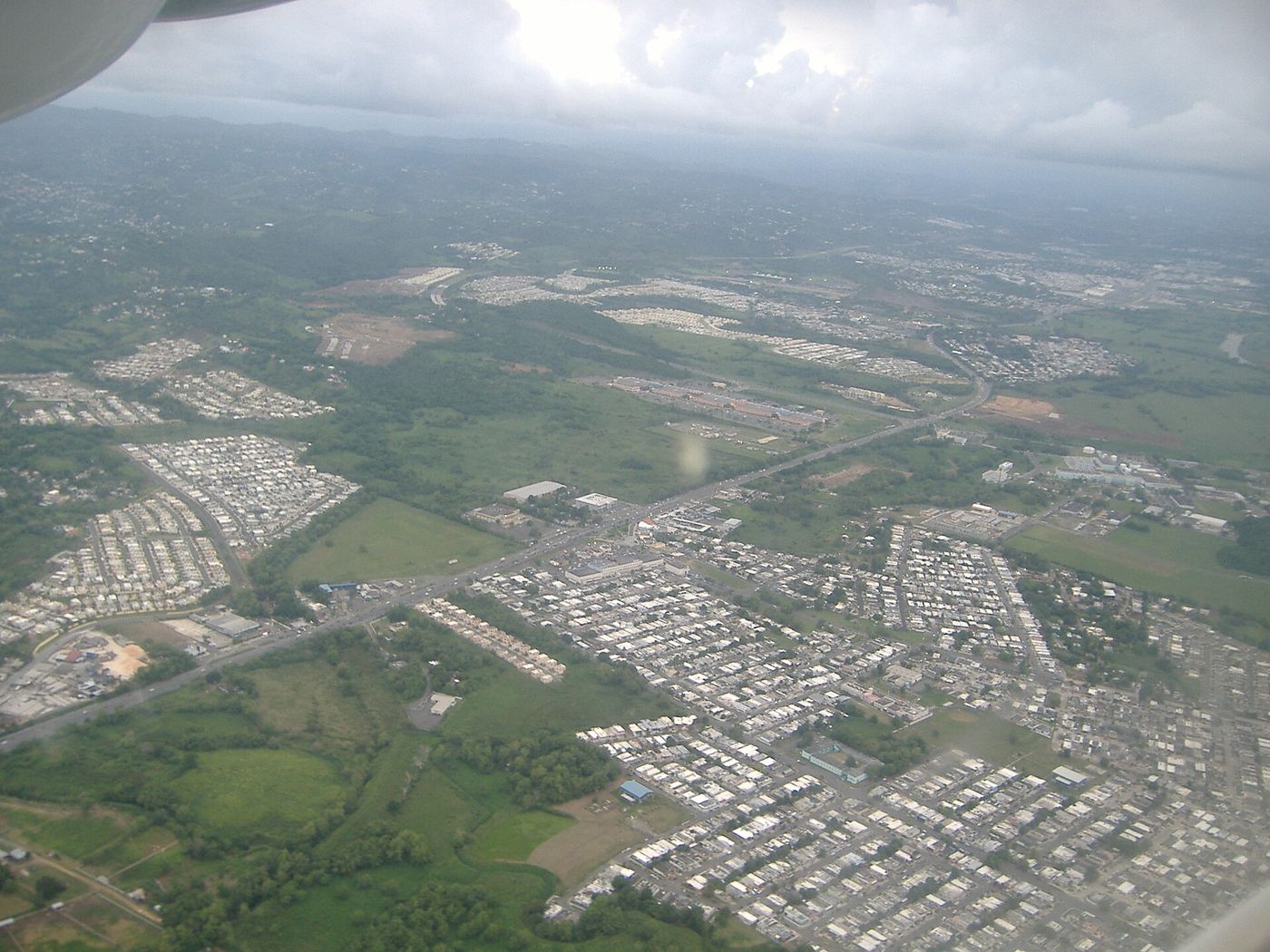
The Chupacabra: Puerto Rico, 1995
In 1995 Puerto Rican farmers found livestock dead with puncture wounds, and a witness described a spiny, big-eyed creature. The 'goat-sucker' spread across the Americas. Investigator Benjamin Radford traced the original description to a sci-fi movie, and later 'chupacabras' to mangy coyotes and dogs.
Sources Benjamin Radford, Tracking the Chupacabra (University of New Mexico Press, 2011); Wikipedia, 'Chupacabra'
In March 1995 farmers in central Puerto Rico began finding goats, sheep and chickens dead with small puncture wounds. By August, when a woman in Canóvanas described a two-legged creature with spines down its back and large dark eyes, the island’s comedian Silverio Pérez had given it a name: chupacabras, the goat-sucker.
A pan-American monster
The story spread through Spanish-language television and early internet forums to Mexico, Central and South America and the US Southwest. In the process the creature changed shape, from a spiny biped to a hairless, four-legged dog-like animal.
What investigation found
Benjamin Radford spent five years on the case. He found that the Canóvanas witness had watched the sci-fi film Species, whose alien closely matches her description. Veterinary examinations of “drained” animals showed ordinary bites, with blood that had simply settled. The hairless carcasses later sold as chupacabras turned out to be coyotes, dogs and foxes with severe mange.
Ledger status
Marked folklore. A real wave of livestock deaths, explained by ordinary predators; a monster built by media. Map position is town level (Canóvanas).
Sources
- Benjamin Radford, Tracking the Chupacabra (University of New Mexico Press, 2011) — unmpress.com
- Wikipedia, “Chupacabra” — en.wikipedia.org
Part of the World Ledger, batch 1. Original text; no images are used.
Evidence ledger
Each claim in this file, the source it rests on, and how well it holds up: 4 corroborated. What the labels mean.
| Claim | Source | Type · date | Status |
|---|---|---|---|
| Livestock deaths with puncture wounds were reported in Puerto Rico in 1995, attributed to a 'chupacabra'. | Radford (2011); Wikipedia | scholarly · 2011 | corroborated |
| The key 1995 eyewitness description from Canóvanas resembles the creature in the film Species (1995).The witness had seen the film. | Radford (2011) | scholarly · 2011 | corroborated |
| Necropsies of 'drained' animals found ordinary predator bites and normal blood pooling. | Radford (2011) | scholarly · 2011 | corroborated |
| Hairless 'chupacabras' found in Texas and elsewhere were canids with mange. | Radford; DNA tests reported in press | secondary | corroborated |
Discussion
Discussions activating. Per-case threads will embed here once the Giscus GitHub App is installed on the public satellite repo.
Meanwhile, join the conversation on GitHub Discussions: https://github.com/dclewis21/anomaly-ledger-community/discussions
CoS / D.C.: see Community guidelines and
SETUP.mdin the site repo for the one-click Giscus install.