Oak Island and the Money Pit
Since the 1790s, treasure hunters have dug into a small island in Nova Scotia's Mahone Bay, chasing a shaft said to hold pirate gold, Templar relics or Shakespeare's manuscripts. More than two centuries, six deaths and a TV series later, no treasure has been found.
Sources Mather Byles DesBrisay, History of the County of Lunenburg (1895); D'Arcy O'Connor and Lionel and Patricia Lamb's histories, incl. Lamb, Oak Island Obsession (2006); CBC News; Wikipedia, 'Oak Island mystery'
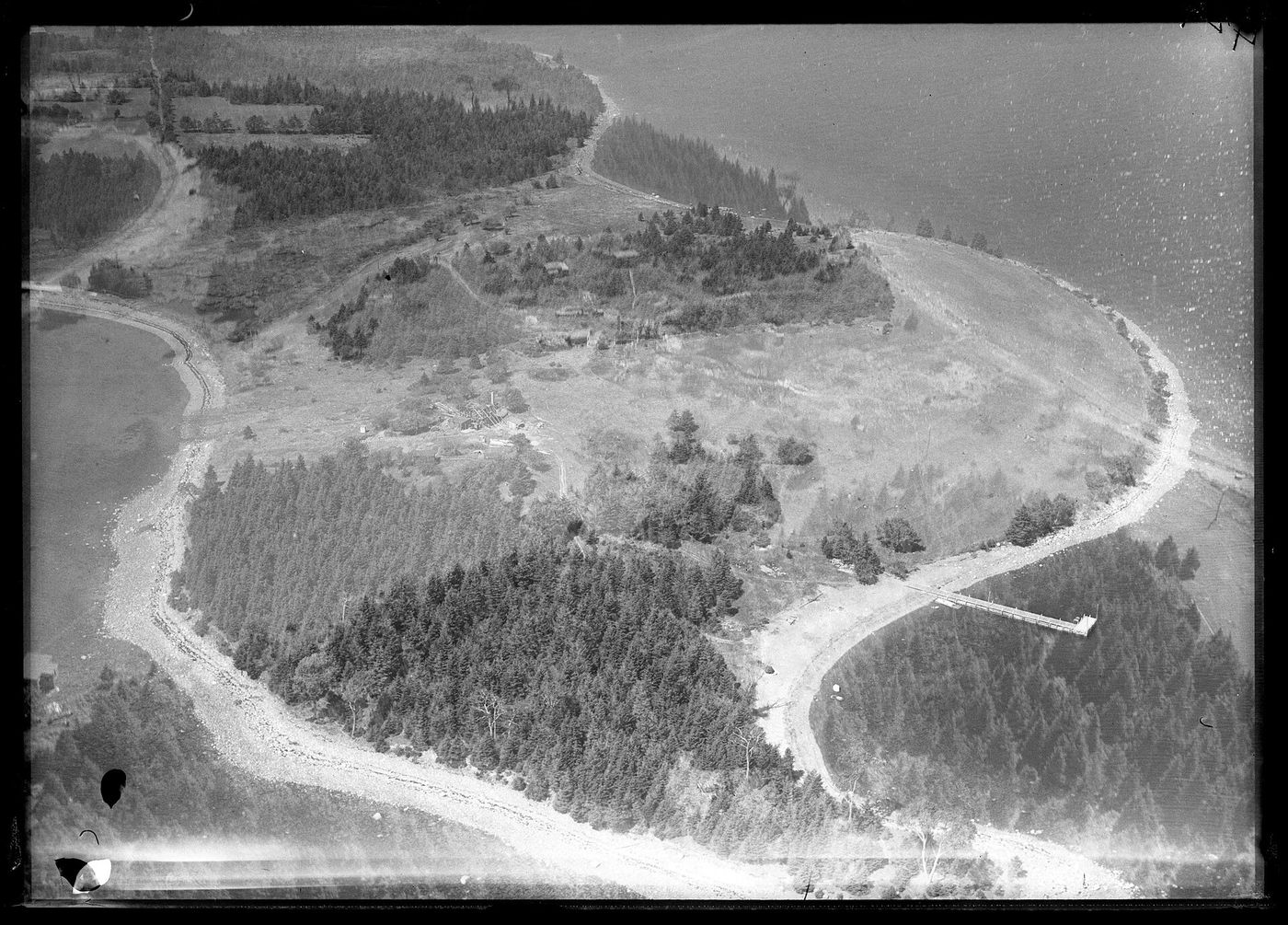
Oak Island is a privately owned, tree-covered island in Mahone Bay on Nova Scotia’s South Shore, joined to the mainland by a causeway. Its fame rests on a story first printed in 1857: that in the 1790s some young men found a depression in the ground under an old oak and started digging, hitting layers of logs every ten feet.
Two centuries of digging
Company after company followed, each finding something tantalizing, such as coconut fibre, a carved stone, bits of chain, and each defeated when the shaft flooded with seawater, supposedly through booby-trap tunnels. Theories have ranged from pirate treasure and Spanish gold to the Knights Templar, the Ark of the Covenant and the manuscripts of Francis Bacon. Treasure hunter Dan Blankenship spent more than 50 years on the island and became a central figure in the History channel’s The Curse of Oak Island.
The cost
Six people have died in the search, four of them overcome by gas in a shaft in 1965. Geologists note that the island sits on limestone and gypsum riddled with natural sinkholes and connected to the sea, which would explain both the “pits” and the flooding. After more than 200 years, nothing of value has been found.
Ledger status
Marked folklore. Map position is island level; the island is private.
Sources
- Mather Byles DesBrisay, History of the County of Lunenburg (1895) — archive.org
- Lionel and Patricia Lamb, Oak Island Obsession — archive.org
- CBC News, Dan Blankenship obituary coverage (2019) — cbc.ca
- Wikipedia, “Oak Island mystery” — en.wikipedia.org
Part of the World Ledger, batch 1. Original text; no images are used.
Evidence ledger
Each claim in this file, the source it rests on, and how well it holds up: 3 corroborated · 1 unverified. What the labels mean.
| Claim | Source | Type · date | Status |
|---|---|---|---|
| Treasure hunters have excavated on Oak Island since at least the early 1800s, with stories dating to the 1790s. | DesBrisay (1895); Wikipedia | secondary · 1895 | corroborated |
| Printed accounts of the 'Money Pit' appear from 1857. | Wikipedia, citing period sources | secondary · 1857 | corroborated |
| Six people have died in treasure-hunting accidents, including four in 1965. | CBC; Wikipedia | press | corroborated |
| Treasure or relics are buried in the Money Pit.Nothing of value has been confirmed; natural sinkholes and flooding tunnels fit the geology. | Treasure-hunter claims | secondary | unverified |
Discussion
Discussions activating. Per-case threads will embed here once the Giscus GitHub App is installed on the public satellite repo.
Meanwhile, join the conversation on GitHub Discussions: https://github.com/dclewis21/anomaly-ledger-community/discussions
CoS / D.C.: see Community guidelines and
SETUP.mdin the site repo for the one-click Giscus install.