Feature reference (not a verified entrance)
Monte Nuovo
Last reviewed: not yet Next review
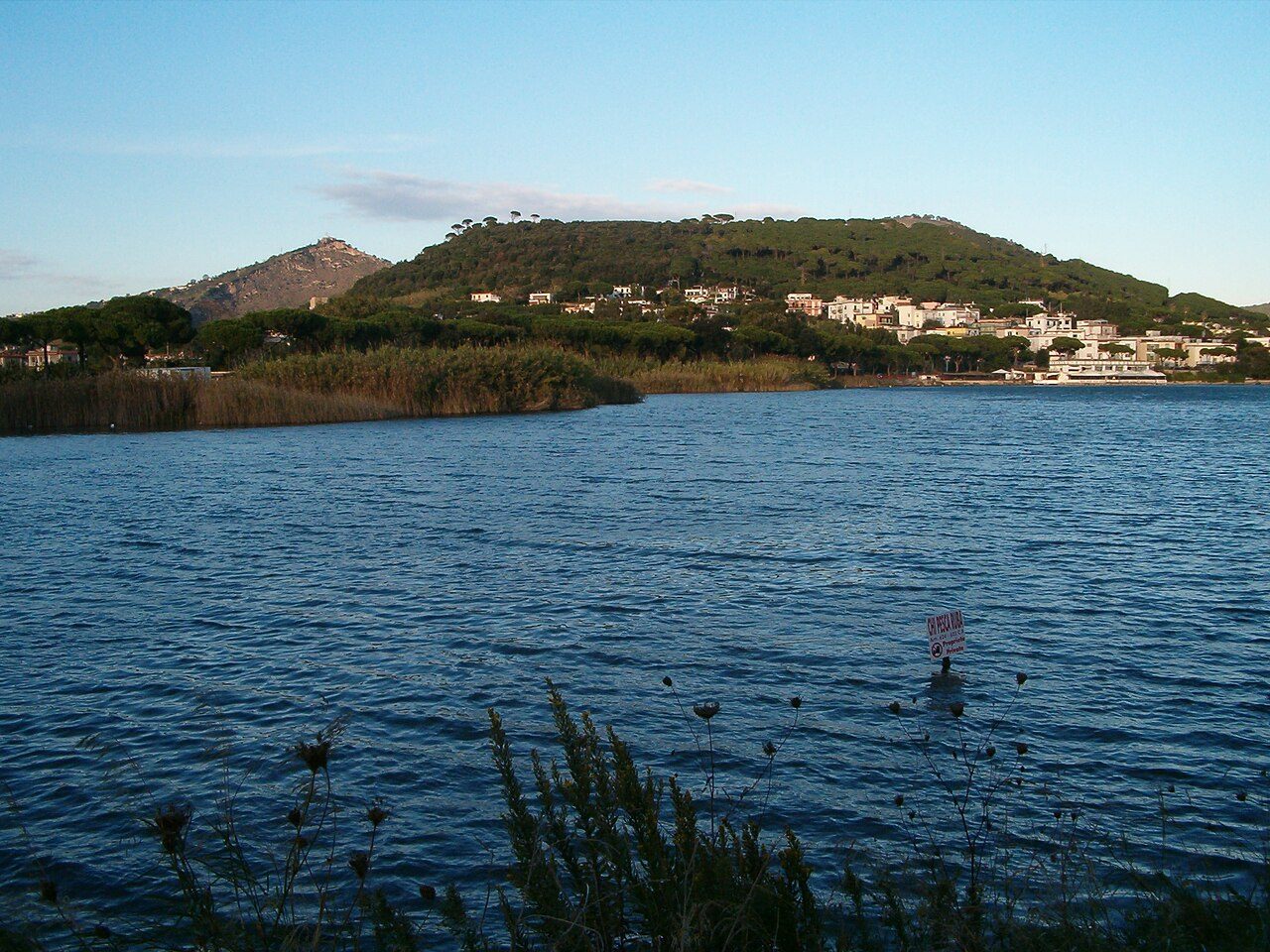
Monte Nuovo ("New Mountain") is a cinder cone volcano within the Campi Flegrei caldera, near Naples, southern Italy.
Access
We haven't checked access for this place. Check the land manager's or local tourism site for hours, fees and closures, and stay off private or closed land.
Safety & respect
Stay on marked paths and behind barriers. Ground near caves, sinkholes, geysers and cliffs can be unstable or hot.
Lore note
Monte Nuovo ("New Mountain") is a cinder cone volcano within the Campi Flegrei caldera, near Naples, southern Italy. A series of damaging earthquakes and changes in land elevation preceded its only eruption, during the most recent part of the Holocene, which lasted from September 29 to October 6, 1538, when it was formed. The event is important in the history of science because it was the first eruption in modern times to be described by a large number of witnesses.
Map links
Official / public map link · Approx. 40.8353, 14.0881: feature coordinate, not a checked entrance · Pin source: Wikipedia article coordinates, cross-checked against Wikidata Q1084616 P625 (within 2 km)
Sources
- Wikipedia, Monte Nuovo (CC BY-SA 4.0; read 1 Nov 2026): https://en.wikipedia.org/wiki/Monte_Nuovo
- Wikidata, Q1084616 (coordinate location P625, country P17; read 1 Nov 2026): https://www.wikidata.org/wiki/Q1084616
Monte Nuovo (“New Mountain”) is a cinder cone volcano within the Campi Flegrei caldera, near Naples, southern Italy. A series of damaging earthquakes and changes in land elevation preceded its only eruption, during the most recent part of the Holocene, which lasted from September 29 to October 6, 1538, when it was formed. The event is important in the history of science because it was the first eruption in modern times to be described by a large number of witnesses.
This entry is part of our world atlas. The summary above is adapted from the Wikipedia article (CC BY-SA 4.0), and the map pin uses the coordinates published there, cross-checked against Wikidata. We haven’t visited this place or checked current access.