Feature reference (not a verified entrance)
Animal Flower Cave
Last reviewed: not yet Next review
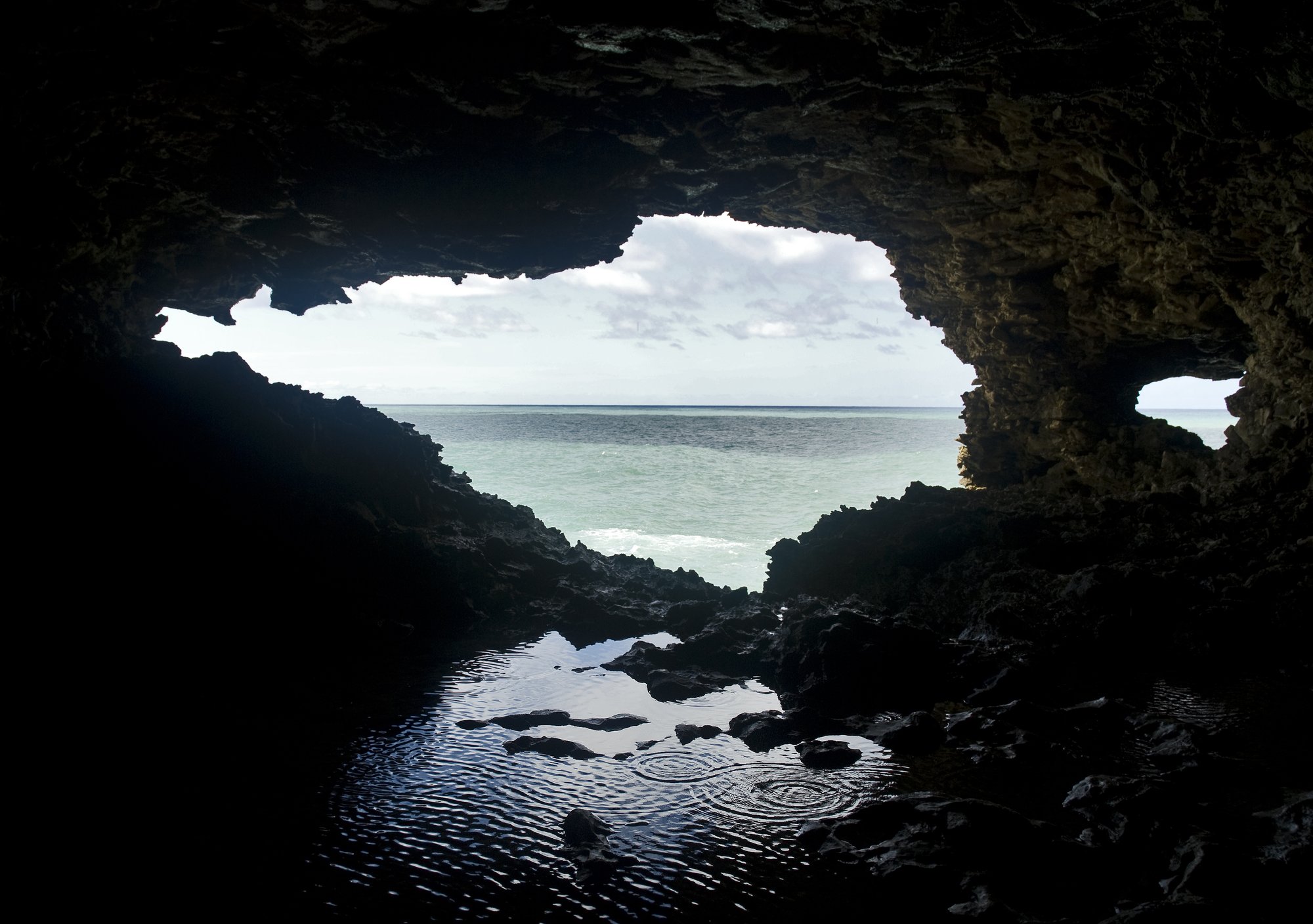
A sea cave at the northern tip of Barbados, now lifted above the waves and named for the sea anemones in its pools.
Access
We haven't checked access for this place. Check the land manager's or local tourism site for hours, fees and closures, and stay off private or closed land.
Safety & respect
Stay on marked paths and behind barriers. Ground near caves, sinkholes, geysers and cliffs can be unstable or hot.
Lore note
The cave formed at sea level but now sits a couple of meters above high water, because Barbados is slowly rising. English explorers found it from the sea in 1780. It is named for the sea anemones, called animal flowers locally, that live in its rock pools, and its coral floor has been dated to several hundred thousand years old. In bad weather the caverns can fill with water and the entrance acts like a giant blowhole.
Map links
Official / public map link · Approx. 13.3346, -59.6131: feature coordinate, not a checked entrance · Pin source: Wikipedia article coordinates, cross-checked against Wikidata Q4764807 P625 (within 2 km)
Sources
- Wikipedia, Animal Flower Cave (CC BY-SA 4.0; read 12 Nov 2026): https://en.wikipedia.org/wiki/Animal_Flower_Cave
- Wikidata, Q4764807 (coordinate location P625, country P17; read 12 Nov 2026): https://www.wikidata.org/wiki/Q4764807
The cave formed at sea level but now sits a couple of meters above high water, because Barbados is slowly rising. English explorers found it from the sea in 1780. It is named for the sea anemones, called animal flowers locally, that live in its rock pools, and its coral floor has been dated to several hundred thousand years old. In bad weather the caverns can fill with water and the entrance acts like a giant blowhole.
This entry is part of our world atlas. The summary above is written in our own words from the Wikipedia article, and the map pin uses published coordinates cross-checked against Wikidata. We haven’t visited this place or checked current access.